Environment / UE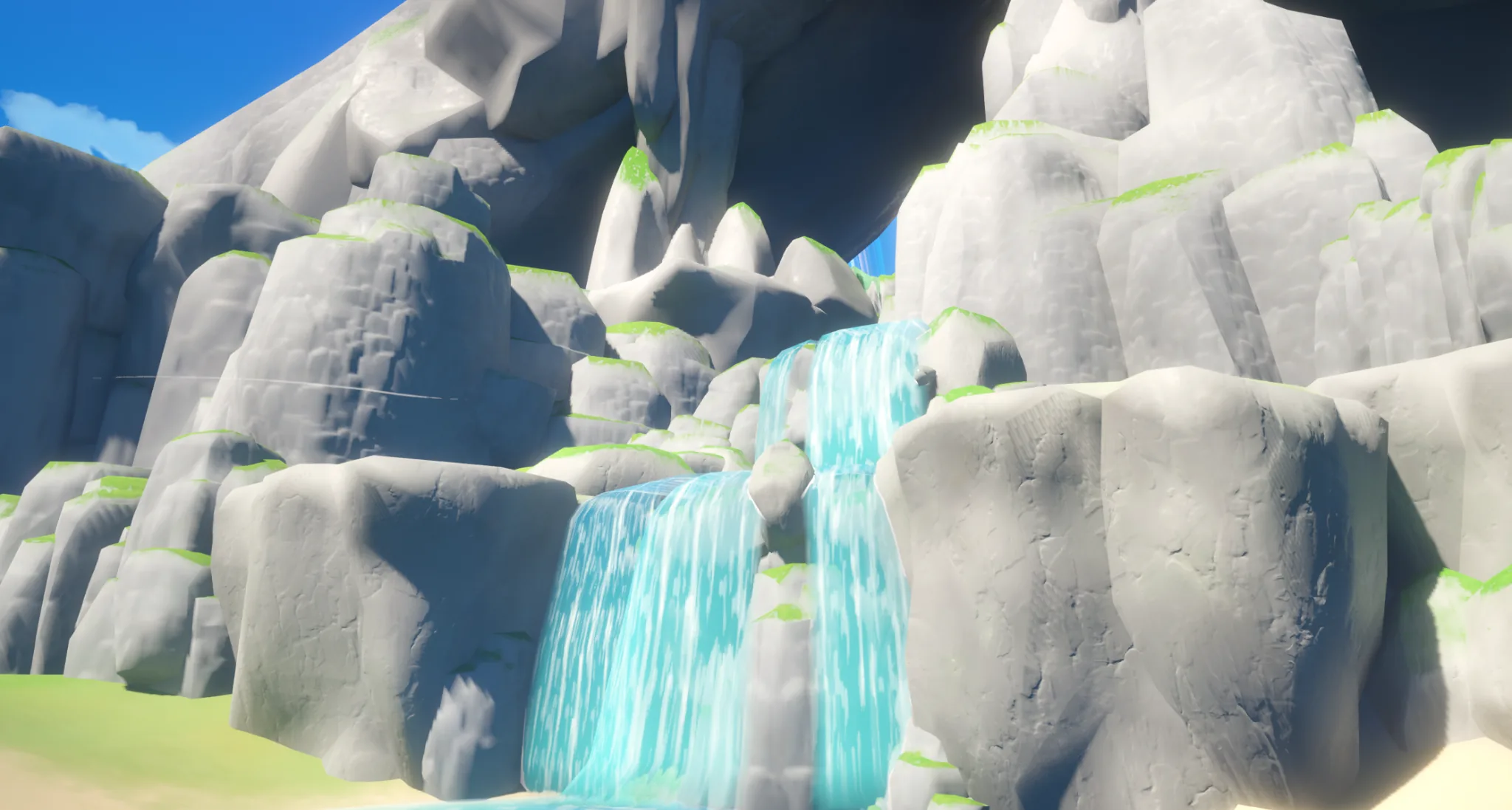
World building · 01
Rocky waterfall
A stylized landmark study focused on rock formations, water flow, lighting, and composition inside Unreal Engine.
A hands-on, project-driven independent game-development studio working across environments, gameplay presentation, visual effects, and 3D art.
We turn ideas into playable worlds and combat into visual language. Alongside our own early-stage game concepts, we contribute to several projects in development — building the details that make an experience feel alive.
Environment studies, gameplay VFX, and 3D work from ongoing projects and experiments. The environment gallery shows three different scenes. These are work samples, not claims of released games.
A stylized landmark study focused on rock formations, water flow, lighting, and composition inside Unreal Engine.
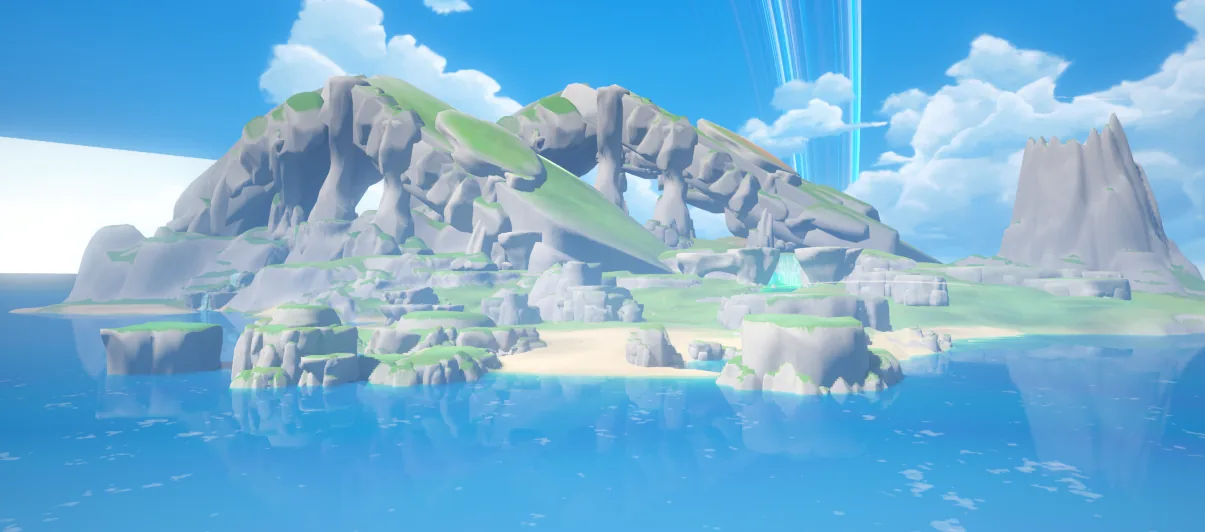
A wide environment layout exploring coastline silhouettes, distant landmarks, open water, and readable traversal spaces.
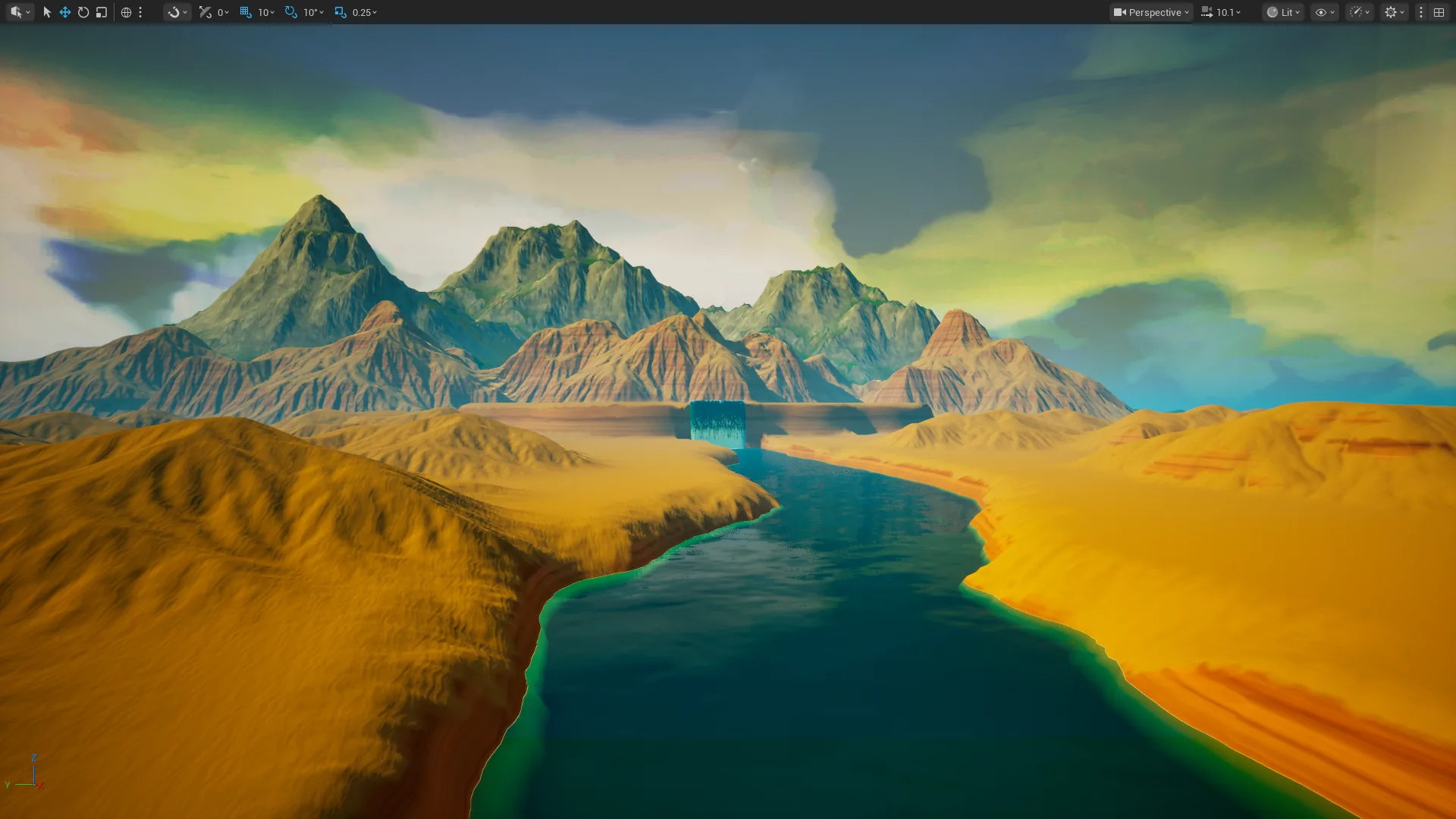
A contrasting biome study built around warm terrain, a winding river, layered mountain silhouettes, and atmosphere.
Visual effects developed for a custom combo/combat system, with a focus on timing, attack readability, and impact.
A melee VFX experiment built around the attack arc, motion, and satisfying visual feedback during combat.
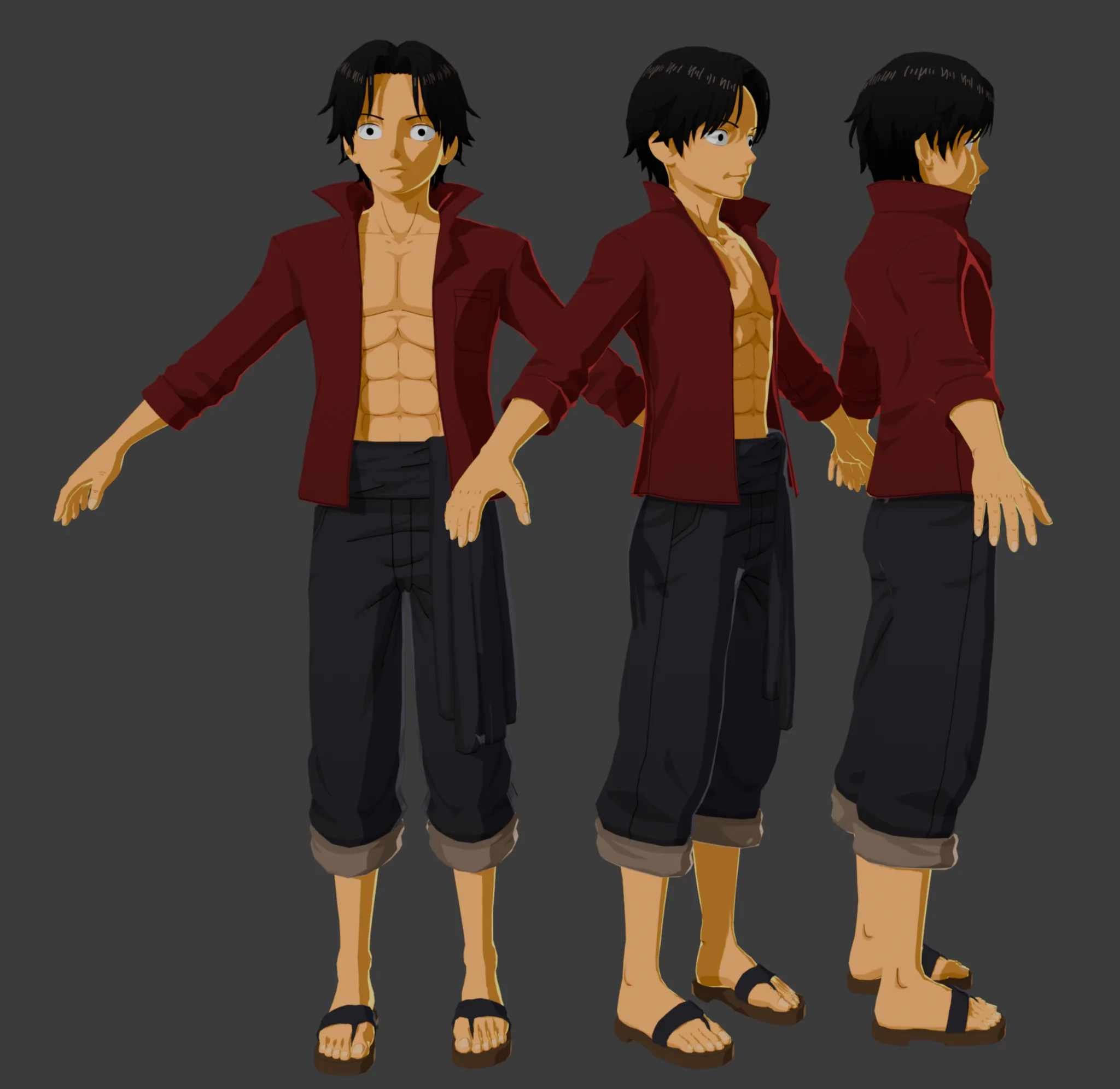
Stylized character modeling for a One Piece roleplay project, showing the character across multiple viewing angles.
Some work samples were made in the context of collaborative or community projects. Third-party names are used only to describe context; no official affiliation is implied. Media is shared as a portfolio sample where permission allows.
A flexible skill set for building distinctive game experiences, from the shape of a world to the split-second feel of a hit.
Level composition, environment blocking, visual landmarks, and stylized world-building in Unreal Engine.
Attack effects, combo feedback, slash arcs, and visual systems that help gameplay read with clarity and impact.
Character and supporting asset work, with a practical focus on how art supports the experience in-game.
We prefer small, testable milestones over big promises. Each step should make the work more concrete.
Define the feeling, references, constraints, and core idea.
Test the technical foundation and most important mechanics.
Improve the visual language, readability, and moment-to-moment feel.
Use real tests to decide what to build next and what to cut.
For collaboration enquiries, project discussions, or development opportunities, contact Shade Production by email.
Start a conversation ↗